By Trevor Blois, Disease Diagnostics Supervisor, 20/20 Seed Labs
Every crop begins with a decision, and long before a seed enters the soil, growers are making choices that influence stand establishment, disease pressure, yield potential, and ultimately profitability. One of the most important decisions is understanding the health of the seed itself.
As someone who has spent more than 15 years diagnosing seed-borne diseases and helping growers interpret laboratory results, I’ve learned that one of the simplest questions is often the hardest to answer:
“Is my seed okay?”
The answer is rarely as straightforward as yes or no.
Seed health is about managing risk, and disease isn’t always visible. A seed lot may appear clean while carrying pathogens capable of reducing emergence, weakening seedlings, or introducing disease into a field before the crop has even begun growing.
The purpose of seed health testing isn’t simply to find disease. It’s to understand risk.
Knowing what pathogens are present—and at what level—gives growers the opportunity to make informed decisions before the seed goes into the ground. In some situations, that may mean selecting an effective seed treatment. In others, it may mean sourcing a different seed lot altogether. Sometimes the best result is simply knowing your seed is clean and moving into the season with confidence.
Every one of those outcomes is valuable.
Disease doesn’t occur by chance, and one of the most important concepts in plant pathology is what we call the Disease Triangle.
Disease develops only when three factors come together:
- A pathogen is present.
- A susceptible host is available.
- Environmental conditions favour disease development.
If even one of those factors is missing, disease may never develop.
While growers have some control over host resistance through variety selection and can reduce pathogen levels through crop rotation and quality seed, the environment remains the largest unknown. Moisture, temperature, and weather patterns ultimately determine whether many diseases become serious problems.
This is why the same seed lot may perform very differently from one year to the next.
A wetter season often creates ideal conditions for fungal pathogens, while dry years can dramatically reduce disease pressure. Understanding what pathogens are present before planting allows growers to better prepare for whatever environmental conditions the season delivers.
Many growers are familiar with testing specifically for Fusarium graminearum, and for good reason. This pathogen causes Fusarium Head Blight and has become one of the most significant cereal diseases across Western Canada. Weather conditions over the past decade have allowed it to spread into many areas where it was once uncommon, making it an important part of routine seed testing.
However, focusing on a single pathogen can overlook other diseases that may be equally important. At 20/20 Seed Labs, our Fungal Screen™ examines multiple seed-borne fungi simultaneously, including several pathogens capable of affecting emergence and early plant establishment.
Among the most significant are:
- Fusarium graminearum
- Other Fusarium species
- Cochliobolus sativus (Common Root Rot)
- Pyrenophora species
- Septoria species
Some of these pathogens cause seedling blights and root rots, while others establish foliar diseases that affect crops later in the growing season.
Testing for a broader range of pathogens provides a more complete understanding of seed health than testing for a single disease alone. One of the most common misconceptions we encounter involves fungi that are naturally present on seed.
For example, Alternaria frequently appears at relatively high levels during fungal testing. While those numbers can initially seem concerning, Alternaria is generally considered a saprophyte. Its primary role is breaking down dead or aging plant material rather than causing disease in healthy seedlings.
Seeing a fungus on a laboratory report does not automatically mean it represents a production concern. This is where experienced interpretation becomes just as important as laboratory testing itself. Understanding which organisms pose genuine risk—and which are simply part of the natural environment—helps growers make informed decisions instead of reacting to numbers alone.
A seed lot with moderate infection may establish successfully during a dry spring while causing significant problems during a cool, wet season. This is why laboratory results should be viewed as decision-making tools rather than simple pass-or-fail reports.
Seed testing isn’t only about protecting the current crop. It also helps protect future crops.
Introducing a seed-borne pathogen into a field where it does not already exist can create disease pressure that persists for years. Once established, many pathogens survive in crop residue and become part of the environment.
Preventing introduction is always preferable to managing an established disease. That’s why understanding seed health before planting is one of the most effective preventative practices available.
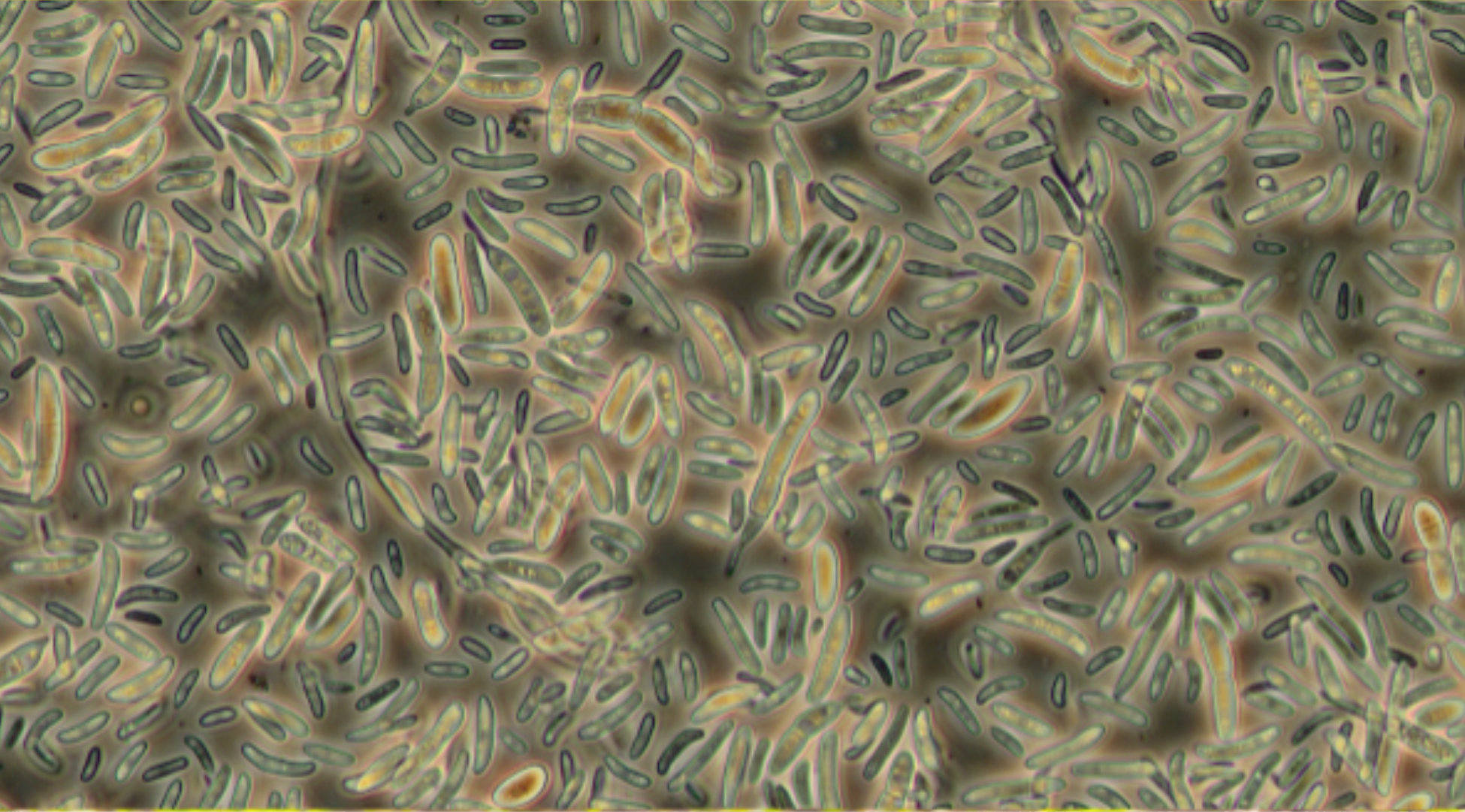
Plant disease diagnostics have changed significantly over the past decade. Traditional laboratory techniques—culturing fungi on specialized growth media and identifying organisms under the microscope—remain incredibly reliable and continue to form the foundation of many disease diagnostic programs. At the same time, advances in molecular diagnostics have expanded what laboratories can detect.
DNA-based technologies allow us to identify pathogens with greater speed and precision, while ongoing research continues to improve detection methods for emerging diseases. Combining traditional microbiology with molecular diagnostics provides growers with the most complete picture of seed health possible.
As new diseases emerge, continued research and test development ensure the diagnostic tools available to Canadian agriculture continue evolving alongside them.
Every year is different: disease pressure changes, weather changes, growing conditions change.
What doesn’t change is the value of beginning the season with accurate information.
Seed testing provides growers with confidence. It helps identify potential problems before they become expensive ones, supports better management decisions, and improves the likelihood of establishing a healthy, productive crop. Understanding the health of your seed before it goes into the ground gives every crop its best possible start.
That’s the goal of seed health testing—and it’s why it remains one of the most valuable investments growers can make before the season begins.