From the desk of 20/20 Seed Labs.
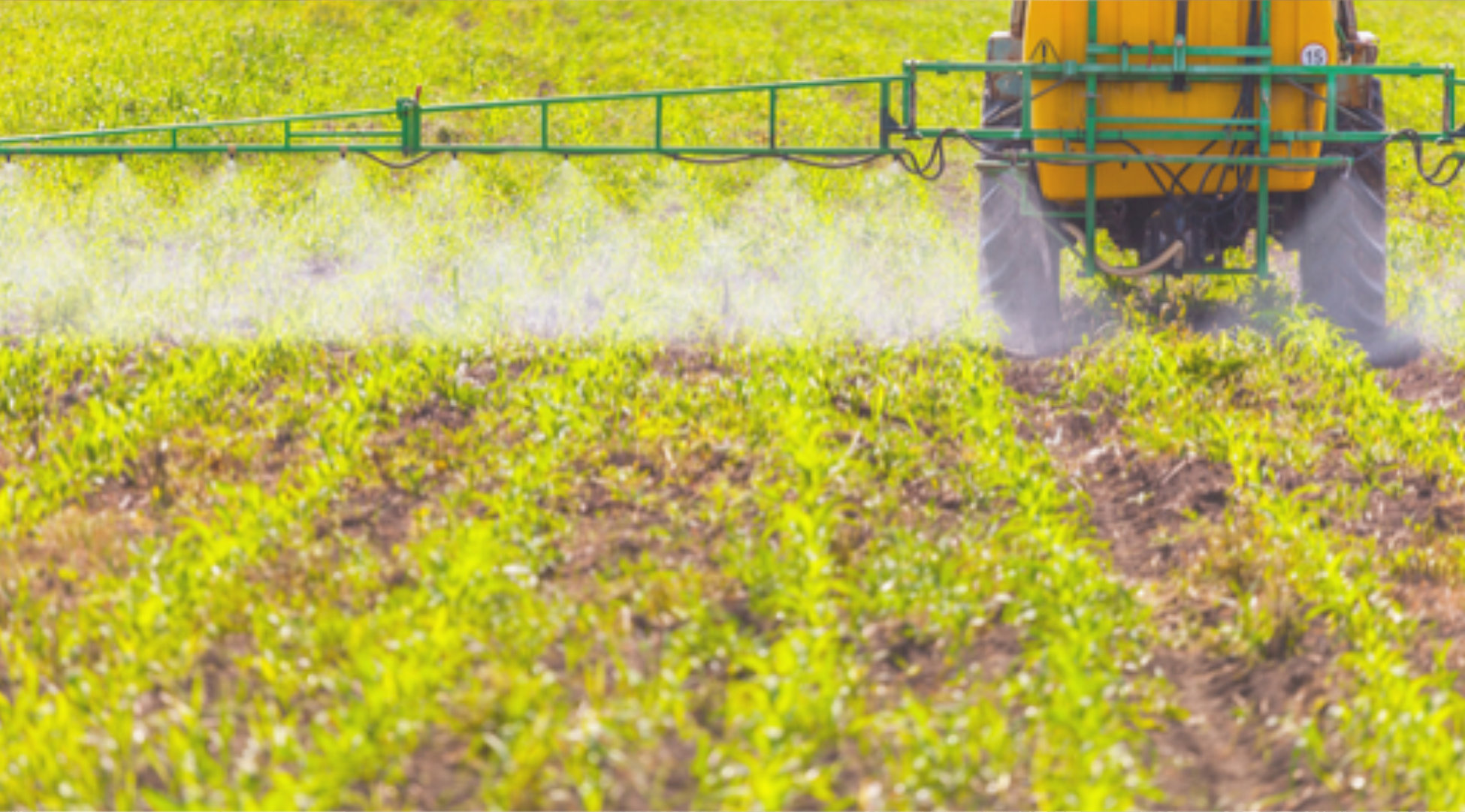
When the weather changes, application windows close and weeds grow quickly but when a herbicide application does not deliver the expected control, next season’s weed management plan can become even more complicated.
Building flexibility into a weed control program when it comes to crop production is important; but flexibility requires more than having additional products available. It also requires reliable information about the weeds that survived.
Was the application affected by timing, weed stagging, weather, or coverage? Or is herbicide resistance beginning to limit the available control options?
Finding thriving weeds after an application does not automatically confirm herbicide resistance. Several factors can contribute to reduced control, including:
- Application timing
- Weed growth stage
- Environmental conditions
- Spray coverage
- Herbicide rate
- Product interactions
- Subsequent weed emergence (new flush)
However, when the same weed species repeatedly survives a herbicide that previously provided effective control; particularly in distinct patches or across multiple seasons, it may be time to investigate further.
Across Canada, herbicide resistance does not look the same in every region. Crop rotations, weed populations and herbicide-use patterns have created different challenges across Canada’s major crop-producing provinces.
Alberta: Wild oat remains one of Alberta’s most significant herbicide-resistant weeds, with resistance to Groups 1 and 2—and resistance to both groups within the same population—limiting in-crop options. Kochia is another major concern, with populations resistant to Groups 2, 4, 9, and 14 while resistant cleavers and green foxtail are also affecting crop production. Recent research estimates herbicide-resistant weeds occur in approximately 64% of Alberta fields and cost the province’s farmers about $238 million annually. Agriculture and Agri-Food Canada research summary
Saskatchewan: Wild oat has the greatest impact among resistant grass weeds in Saskatchewan, while kochia is the leading resistant broadleaf threat. Annual bromes, including downy brome and Japanese brome, are also becoming increasingly difficult weeds in reduced tillage and winter cereal production. Group 2-resistant Japanese brome was confirmed in Saskatchewan in 2022, while the discovery of glyphosate-resistant downy brome in neighbouring Alberta highlights the need to monitor Saskatchewan populations closely. In the 2019–2020 provincial survey, herbicide-resistant weeds were detected in 72% of fields, with an estimated annual impact of $343 million through reduced yield and quality and increased weed-control costs. Saskatchewan survey and Prairie Weed Monitoring Network
Manitoba: Wild oat and kochia remain in the province’s leading herbicide-resistance concerns, with resistance to multiple modes of action leaving fewer chemical control options. Resistant green foxtail, wild mustard, and false cleavers also affect crop production. At the same time, waterhemp and Palmer amaranth are emerging threats, particularly in the Red River Valley. waterhemp populations can carry resistance to multiple herbicide groups, while Palmer amaranth’s limited presence and history of extensive resistance elsewhere make early identification and eradication critical. Palmer amaranth is designated as a Tier 1 noxious weed throughout Manitoba, while waterhemp is classified as Tier 1 or Tier 2 depending on the rural municipality. Manitoba’s 2022 survey identified at least one herbicide-resistant weed in 72% of surveyed fields, representing approximately 1.5 million hectares of cropland and an estimated annual cost of $77 million. Manitoba herbicide-resistance survey and Manitoba Crop Alliance
Ontario: Waterhemp has become one of Ontario’s most complex resistance threats, with populations resistant to five herbicide groups: 2, 5, 9, 14 and 27. Canada fleabane, common and giant ragweed, redroot and green pigweed, and Italian ryegrass are also important concerns. Ontario’s 2025 testing confirmed resistant waterhemp in 19 counties, while 2026 submissions continued to show multiple resistance involving Group 2, often combined with Groups 5, 9 or 14. Ontario Crop Protection Hub
The national impact: Herbicide resistance is estimated to cost Canadian growers approximately $1.1 billion to $1.5 billion annually through increased herbicide use and reductions in crop yield and quality. The number should not be presented as yield loss alone—it represents the broader economic impact of managing resistant weeds and the production losses they cause. Manage Resistance Now
Herbicide resistance testing provides another layer of information that growers and agronomists can use when reviewing what happened and planning what comes next to prevent future production losses.
There are two ways to investigate herbicide resistance:
Depending on the weed species, herbicide group and time of year, herbicide resistance may be investigated using plant tissue or mature weed seed.
Molecular testing using plant tissue:
When a validated molecular test is available, actively growing plant tissue can be collected during the season and analyzed for specific known resistance mechanisms.
This approach can provide valuable information while the weed is still present in the field. However, molecular testing only detects the resistance mechanisms included in the test. A negative result does not necessarily rule out resistance through another mechanism.
Greenhouse bioassay using weed seed:
A greenhouse bioassay evaluates how submitted weed seed responds when plants are grown and treated with a selected herbicide active ingredient under controlled conditions.
This method can be especially useful when molecular testing is unavailable or when the resistance mechanism is unknown. Because the submitted seed must first germinate and produce suitable plants for treatment, results typically take longer.
Collecting enough mature, viable seed from representative survivors is therefore an important part of obtaining useful results.
At 20/20 Seed Labs, we specialize in both molecular and bioassay herbicide resistance testing.
Recent discussion around herbicide flexibility has focused on application timing, residual control, and using multiple effective modes of action. Those remain important components of resistance management, but when resistance is suspected, testing can help strengthen the plan with field-specific evidence.
Results may help growers and their agronomic advisors:
- Avoid relying on an ineffective active ingredient
- Protect herbicide options that remain effective
- Select meaningful modes of action for future programs
- Incorporate cultural, mechanical and crop rotation strategies
- Monitor whether resistance is spreading within or between fields
- Make more informed seed, trait and crop planning decisions
Testing does not replace field history, scouting, or agronomic advice. It helps connect those pieces by providing evidence about the weed population being managed.
The best time to plan for greenhouse testing is while mature seed is still available in the field.
When collecting weed seed:
- Sample plants that survived the herbicide application
- Collect from several representative plants
- Keep samples separated by field or management area
- Allow seed to air dry
- Remove excess plant material and chaff
- Record the herbicide history and active ingredients of concern
- Avoid storing damp seed samples in sealed plastic
Where possible, collect up to 2,000 seeds. Seed maturity, viability, and germination will influence whether a greenhouse bioassay can be completed successfully.
No weed management plan can remove every uncertainty. Weather will still interrupt applications; weeds will continue to grow, and resistance patterns will change.
The goal is to avoid carrying unanswered questions from one season into the next.
When unexpected survivors appear in corn, soybeans, cereals, pulses or other crops, herbicide resistance testing can help determine whether the issue was situational or whether the weed population itself has changed.
Suspect herbicide resistance? Contact 20/20 Seed Labs before collecting tissue or weed seed so our team can confirm the appropriate testing option and submission requirements.
Building flexibility into next year’s program starts with understanding what survived this year.