Frequently Asked Questions
General Questions
-
A seed testing lab can perform germination, vigour, thousand kernel weight and disease tests on your seed to show you how your seed is likely to perform before it goes in the ground. Through these tests, the lab will share results to confirm the quality of the seeds’ germination, vigour, and the presence of disease, so you’re not guessing. With that information, you can adjust seeding rates, treatments, and expectations based on real data.
-
The best time to test seed is after harvest and then again after storage ahead of planting when there’s still time to adjust your plan. Seed is a living organism, and storage conditions can affect overall seed quality. In-season plant or tissue samples should be sent as soon as symptoms appear or when something feels off. Earlier testing gives you more options and better control over outcomes.
-
Seed testing helps you make informed decisions before problems show up in the field. It influences seeding rate which directly affects your plant stand and resulting yield. Disease testing can provide useful information to help with the selection of the right seed treatment choice.
Choosing the right seed treatment helps protect your seedlings against diseases such as seedling blight and root rot. Selecting seed lots with high germination and strong vigour ensures quick and uniform emergence and stand establishment. Seed testing helps you identify risks early, and this reduces uncertainty and helps protect both yield potential and overall field performance.
Germination Testing
-
A germination test evaluates the genetic potential of our seed lot to grow under ideal conditions. During a germination test, we isolate the genetics of the seed lot by holding water, light, temperature, and media constant.
A good germination rate has a direct impact on your target plant stand and as such your yield. Generally, a higher germination rate is better for consistency. The key is understanding how your result compares to your expectations, so you can adjust seeding rates and avoid thin or uneven emergence in the field.
-
No, germination alone doesn’t tell the full story. It shows if seed can grow under ideal conditions, but not how it performs under stress or non-ideal conditions. Pairing it with vigour and disease testing gives a more accurate picture of how your seed will perform in real field conditions.
-
Germination should be tested as close to planting as practical, especially if seed has been in storage. Conditions over winter can impact quality, so testing ahead of seeding ensures your plan reflects the current performance of that seed lot, not last season’s assumptions.
Vigour Testing
-
A vigour test shows how well seed performs under less-than-ideal conditions like cold or stress. While germination measures potential, vigour reflects field reality. It helps explain uneven emergence and gives you a better sense of how strong your stand will be. A vigour test also provides an early warning system for monitoring seed quality loss. Typically, we start to see a drop in the vigour before we see a drop in the germination for seed lots tested over a few years.
-
Vigour testing is important when conditions may be challenging or when seed quality is uncertain. If you are seeding early, dealing with carryover seed, or aiming for consistent establishment, vigour helps you understand risk beyond basic germination results.
-
Low vigour often leads to delayed, uneven, or reduced emergence, especially under stress. Even if germination is acceptable, poor vigour can result in weaker stands and reduced competitiveness with weeds and pests, which ultimately impacts yield potential across the field.
Disease Testing
-
Yes, especially if seed history is unknown. A Fungal Screen identifies pathogens like Fusarium that may not be visible but can impact emergence. It helps ensure your treatment decision is based on actual disease risk, not assumptions.
-
That depends on the crop and region, but common concerns in cereals include Fusarium species – especially Fusarium graminearum, as well as Cochliobolus sativus, Pyrenophora and Septoria species. In Pulse crops Ascochyta spp. are the biggest concern, but Botrytis spp., Colletotrichum spp., Fusarium spp., and Stemphylium spp. can all be issues as well. Testing helps identify what’s present so you can manage risk before it affects stand establishment.
-
Yes, seed testing can detect pathogens that aren’t visible externally. Identifying these early allows you to take action before planting, rather than reacting once problems appear in the field.
Herbicide Resistance Testing
-
Testing should be considered when control failures occur or when resistance is suspected. Early confirmation helps you adjust your strategy before resistance spreads and becomes more difficult to manage across the field.
-
Both can be used depending on the timing. Tissue testing works in-season when plants are present, while seed testing can be done post-harvest. The right choice depends on when you identify the issue and how quickly you need results.
-
It helps confirm which products are no longer effective, so you can adjust your program. Instead of repeating unsuccessful applications, you can make targeted decisions that improve control and reduce further resistance development.
Sample Submission
-
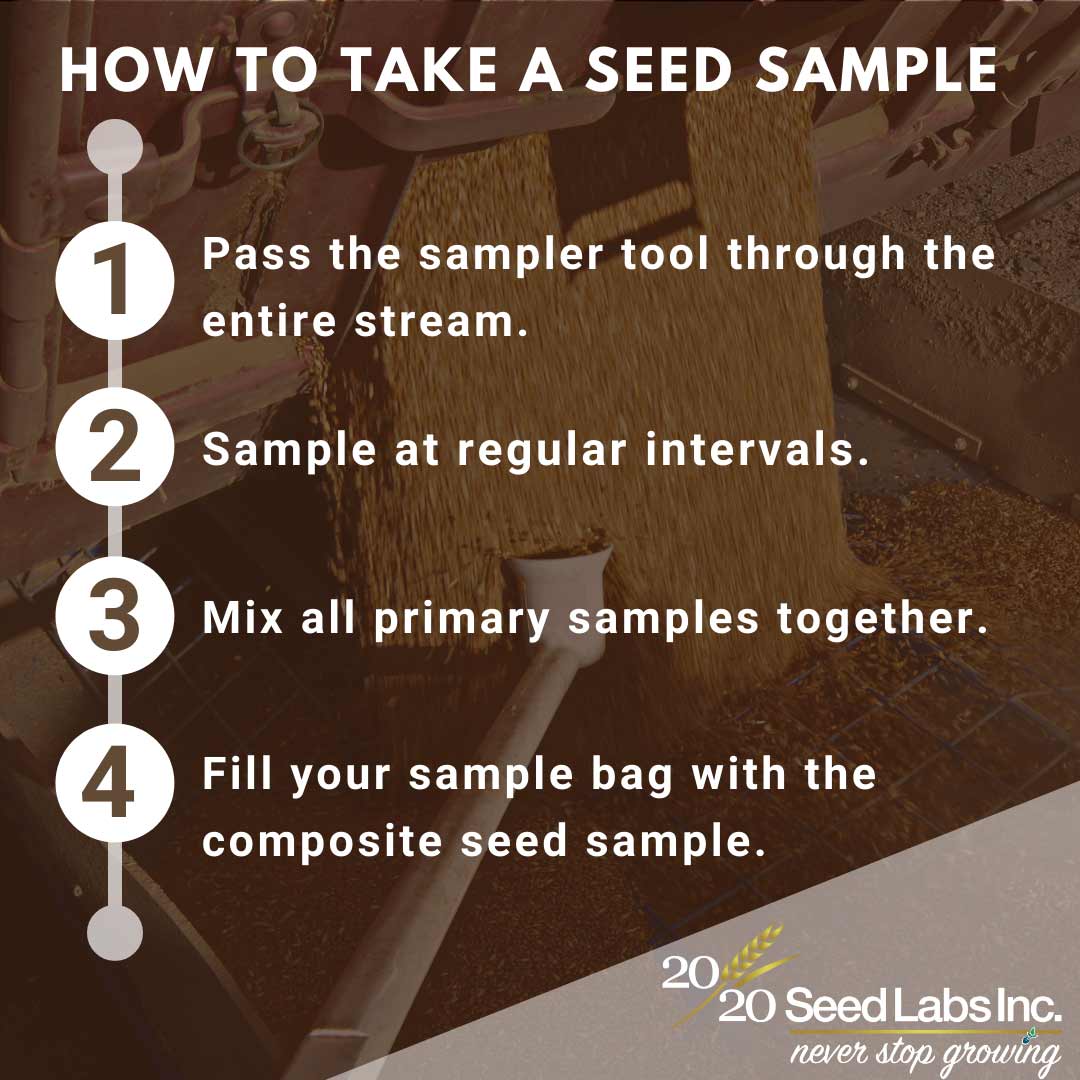
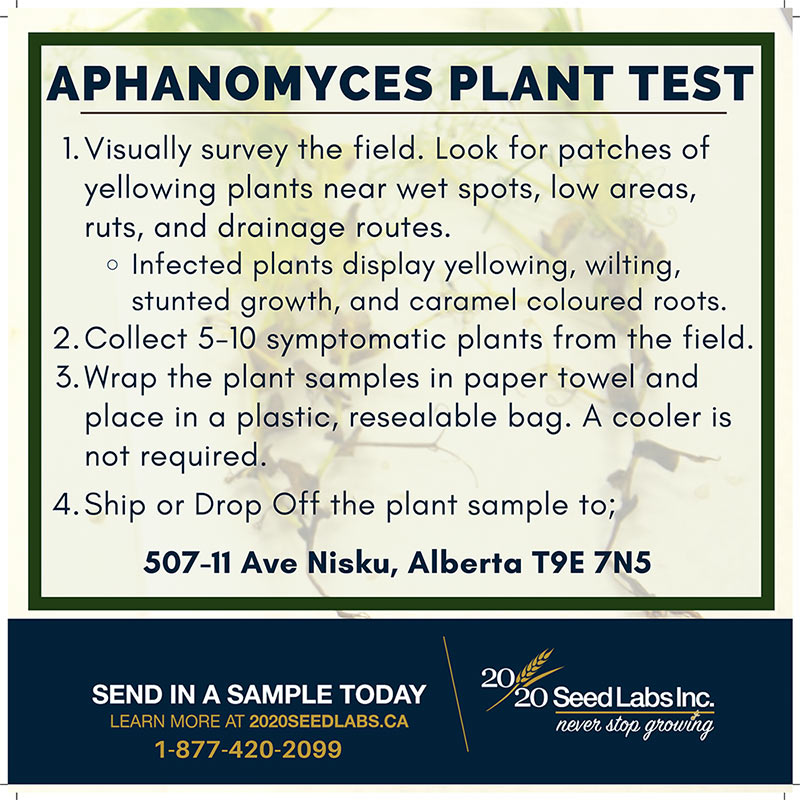
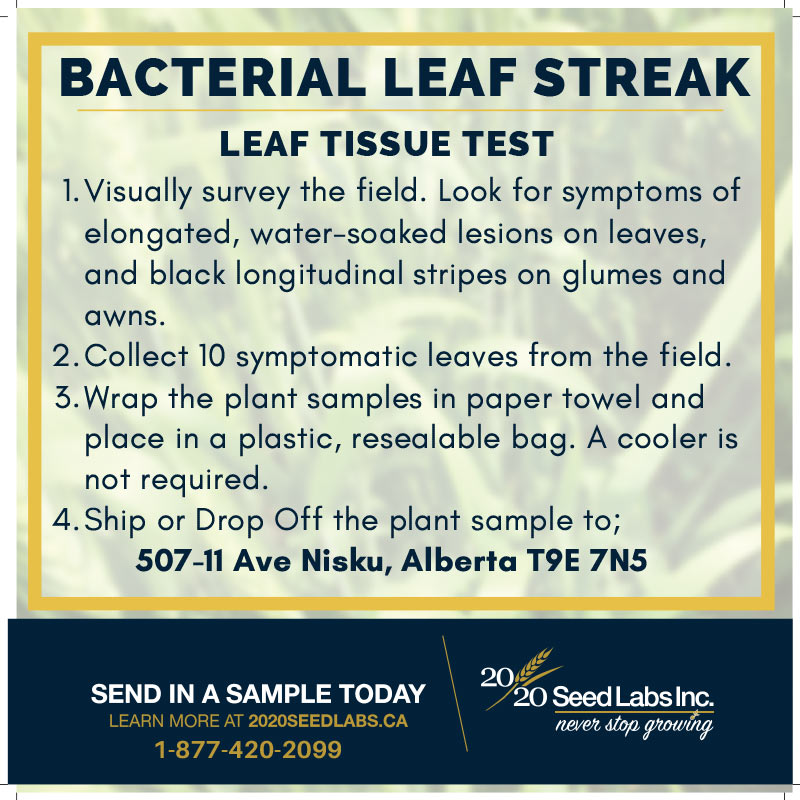
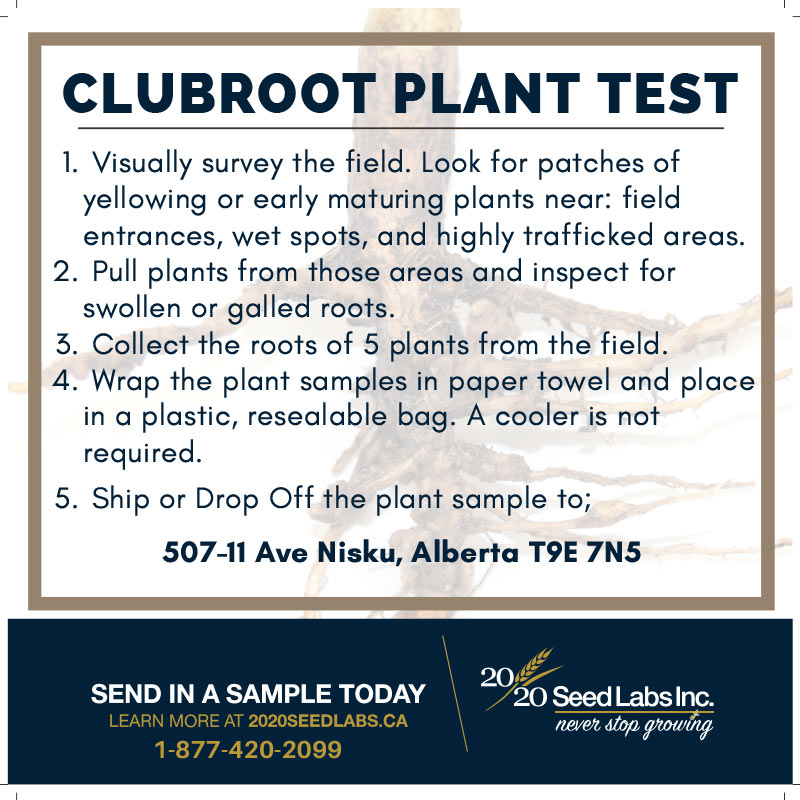
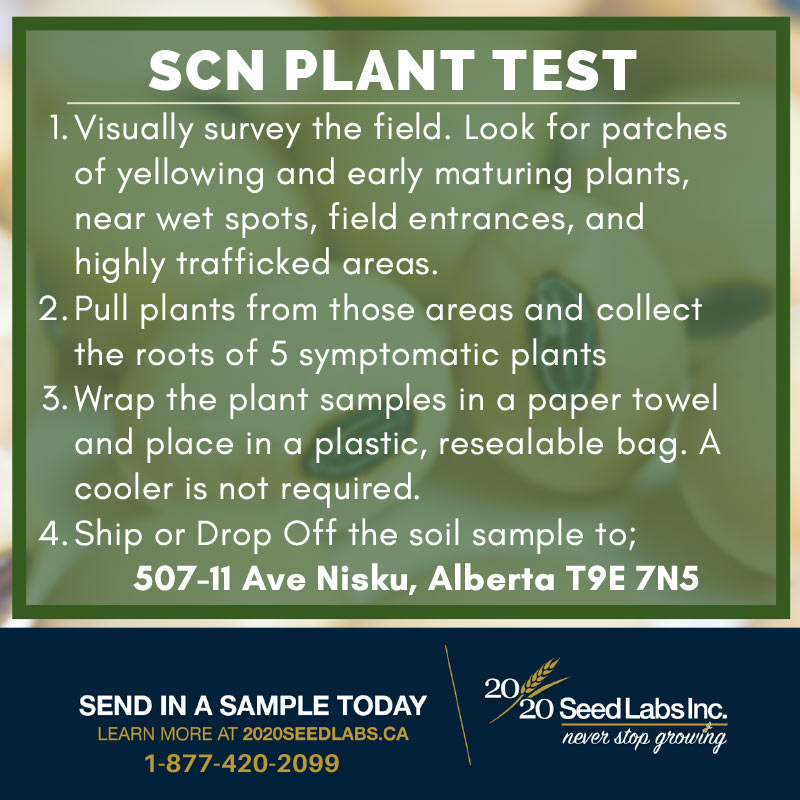
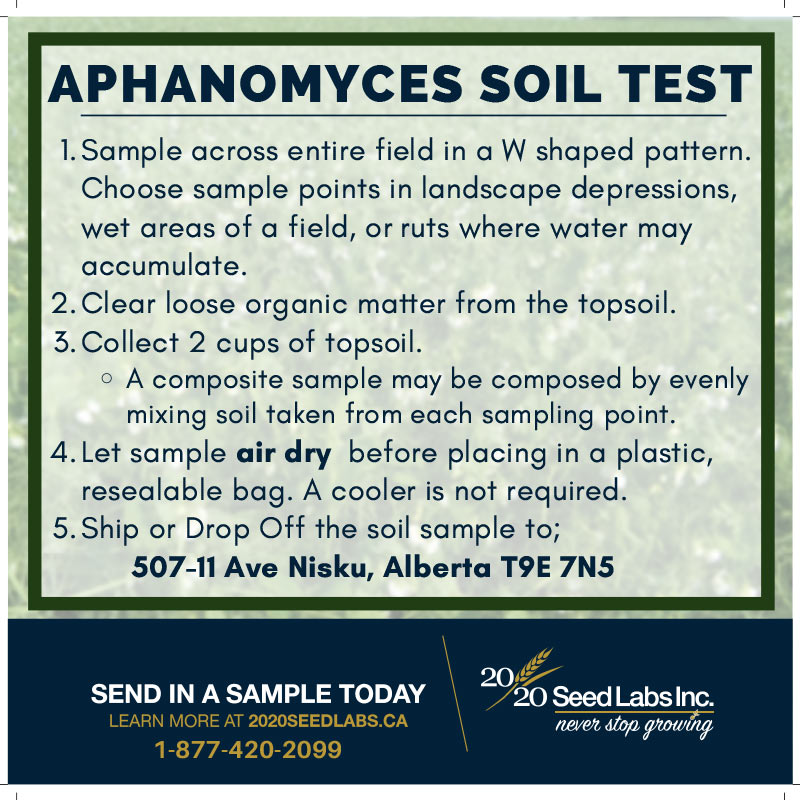
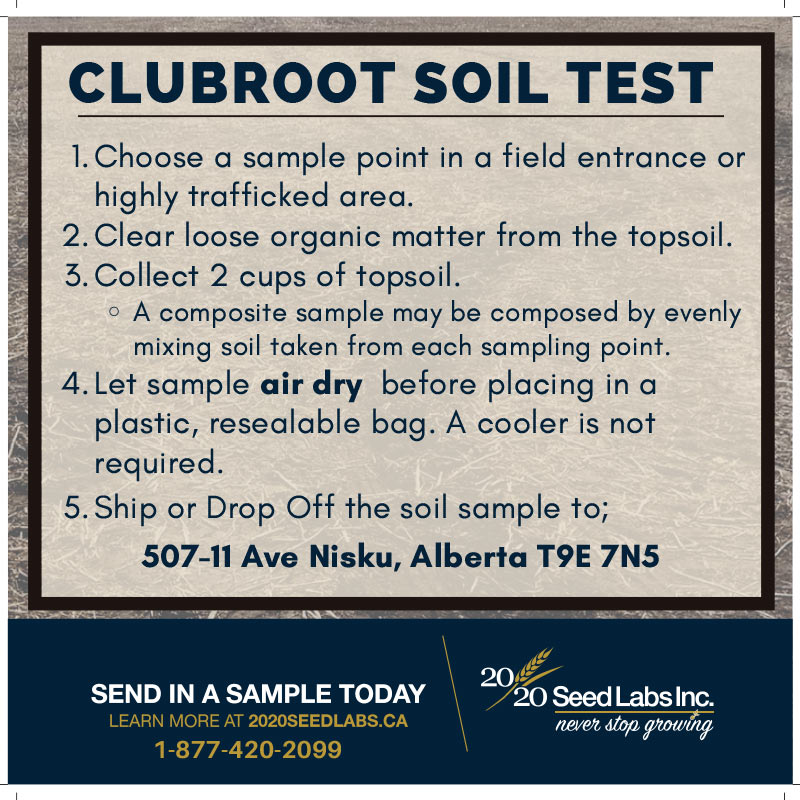
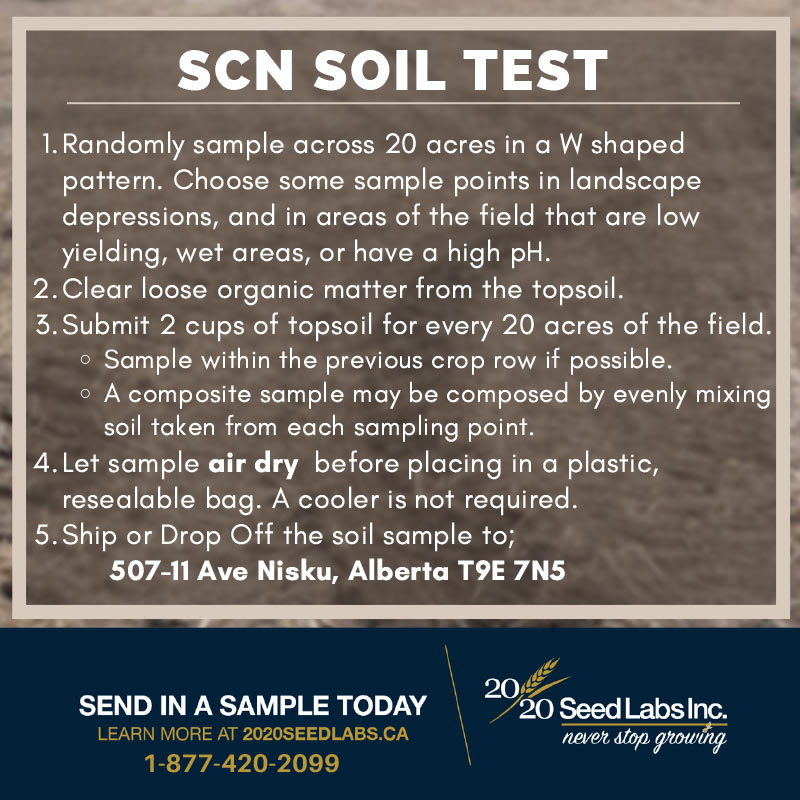
Seed samples can be submitted using paper sample submission bags and plant tissue samples can be submitted using resealable paper bags to ensure the integrity of the sample is maintained through the shipping process. Sample submission instructions can be found here: https://2020seedlabs.ca/submit-a-sample/
-
All customers of 20/20 Seed Labs have an online account created where you can pre-enter samples, print barcode labels for tracking, follow along with sample completion ETA’s, print Report of Seed Analysis, request changes to samples and more.
-
Turnaround time depends on the test. All samples are processed upon arrival and triaged to the appropriate lab department for testing. Most results are delivered within a defined timeframe after receipt. Planning ahead ensures results are available when you need them for decision-making. Our Laboratory Management System (LMS) allows our customers to access historical data and to setup customized notifications for results.