Before Canadian grain reaches an international customer, there is an important question to answer: does the shipment meet the importing country’s plant health requirements?
Phytosanitary inspection and testing help provide that answer. Through appropriate sampling, examination, laboratory analysis and documentation, Canada’s export certification system helps manage the risk of moving regulated pests across borders. For exporters, understanding this process is an essential part of preparing grain for international markets.
What does phytosanitary inspection mean?
“Phytosanitary” refers to plant health. In agricultural trade, phytosanitary measures help prevent the introduction and spread of pests that could harm crops and other plant resources.
This inspection brings together technical expertise, visual examination, traceability, and laboratory analysis to identify potential plant health risks. Its value extends beyond an individual shipment, helping prevent the spread of harmful pests while protecting agricultural production and supporting international trade.
For Canadian grain exports, the specific inspection and testing requirements depend on the commodity, its intended use and the destination country.
What is a phytosanitary certificate?
A phytosanitary certificate is an official document indicating that a shipment meets the importing country’s specified plant health requirements.
In Canada, the Canadian Food Inspection Agency (CFIA) is responsible for issuing these certificates. Inspection findings, laboratory results, and supporting documents provide evidence for the certification decision.
A laboratory report and a phytosanitary certificate serve different purposes. The report documents the requested analysis; the certificate is the official government document supporting compliance with the destination’s phytosanitary requirements.
What does REGAL testing look for?
Canada’s Recognition of Export Grain Analysis by Authorized Laboratories (REGAL) program allows authorized laboratories to perform specified analyses supporting grain export certification.
Depending on the shipment’s requirements, testing can include:
- Live insects
- Presence of soil
- Weed seeds included within the REGAL program’s scope
REGAL applies to eligible products such as whole grain intended for uses other than planting, split dicots, and grain with the hull or seed coat removed. Testing outside the program’s scope requires a separate pathway through the CFIA.
This makes confirming the required tests an important first step. A standard testing request may not address every requirement for a particular destination.
Why do sampling and traceability matter?
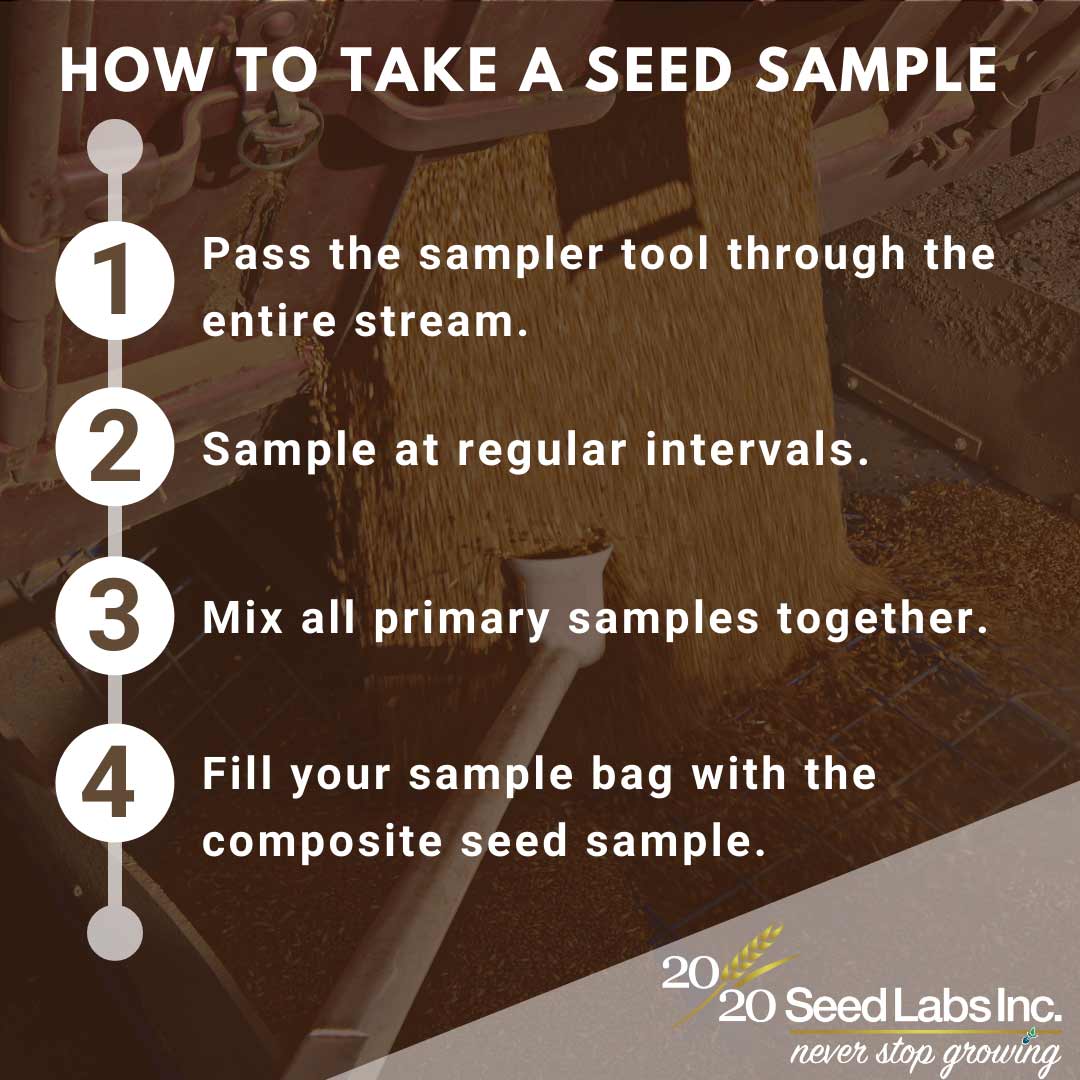
Reliable analysis starts with a representative sample that can be clearly connected to the shipment.
Under the Canadian Grain Sampling Program, approved companies can collect official samples supporting phytosanitary certification. The program covers cereals, pulses, oilseeds, and other specialty crops.
Maintaining the identity and integrity of the sampled lot is equally important. Mixing lots or exposing sampled grain to infestation can affect its phytosanitary status and may lead to additional sampling or testing.
The practical takeaway for exporters is straightforward: sampling, testing, documentation, and shipment handling need to be coordinated.
What is changing on April 1, 2027?
Beginning April 1, 2027, the CFIA will no longer test grain samples eligible for analysis through the REGAL program. Exporters requiring those analyses will need to use an authorized REGAL laboratory.
The CFIA will continue to hold sole authority to issue phytosanitary certificates.
Exporters currently submitting eligible samples to the CFIA should use the transition period to establish laboratory arrangements and review their sample submission procedures.
How can exporters prepare?
Start with the destination requirements, then build the sampling and testing plan around them.
Before submitting samples:
- Confirm the commodity, intended use and destination requirements with your local CFIA Plant Health office.
- Arrange approved sampling appropriate to the shipment.
- Confirm the requested analyses with the laboratory, including whether any requirements fall outside REGAL.
- Keep shipment identifiers consistent across sample labels, submission forms, and certification documents.
- Allow time for testing and CFIA review before the planned shipment date.
REGAL laboratories report the tests requested, making clear instructions and complete documentation essential.
How does 20/20 Seed Labs support grain exporters?
20/20 Seed Labs Inc. operates CFIA-authorized REGAL laboratories in Nisku, Alberta, and Winnipeg, Manitoba. Both locations appear on the CFIA’s current list of authorized laboratories for grain export testing.
Through our Import & Export testing services, we provide REGAL analyses for soil, weed seeds and live insects, with results used to support the CFIA’s phytosanitary certification process.
For exporters, processors and grain handlers, early coordination helps bring the required testing into the shipment plan.
Preparing an export shipment or reviewing your process ahead of April 2027? Connect with the 20/20 Seed Labs Import & Export testing team to discuss your REGAL testing needs and sample submissions.