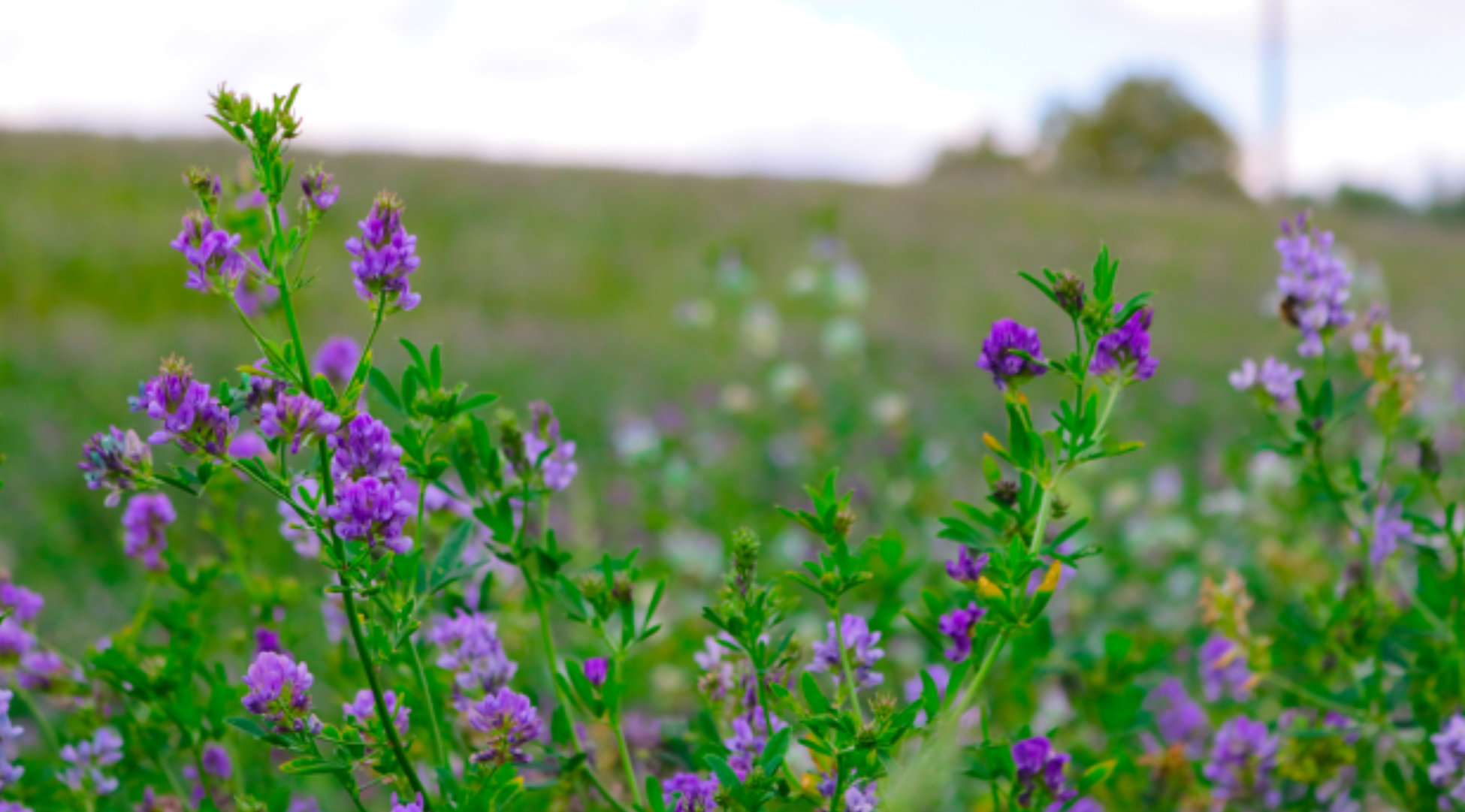
A clean forage stand does more than look good from the road; it directly impacts feed quality, stand longevity, harvest efficiency, and ultimately livestock performance. While weed pressure is often discussed from a yield-loss perspective, the hidden cost of weed contamination in forage extends far beyond reduced tonnage.
Every species that makes its way into the swath changes the quality and consistency of what ends up in the bale, silage pile, or feed bunk and changes feed value.
Forage crops are grown to deliver consistent nutrition. Whether feeding beef cattle, dairy cows, sheep, or horses, producers rely on predictable protein, fiber, digestibility, and energy values to build balanced rations. But when weeds invade a forage stand, that consistency starts to disappear.
Some weeds dilute overall feed quality by contributing lower nutritional value than the intended forage crop, while others mature at different rates, creating variability in moisture and fiber content at harvest. Even small levels of contamination can influence palatability, causing selective feeding and wasted forage.
In some cases, weeds can introduce more serious concerns:
- reduced digestibility
- elevated nitrate levels
- mould or storage challenges
- toxin risks
- reduced intake by livestock
The problem starts long before harvest, by the time weeds are visible above the crop canopy, the economic impact has often already begun. Thin forage stands; poor seed quality, low seed purity, uneven emergence, and weak establishment all create opportunities for weed competition early in the season. Once weeds establish themselves in a perennial forage system, they become increasingly difficult to remove without affecting the stand itself.
Seed quality and seed purity play a major role in establishing dense, competitive forage stands capable of suppressing weed pressure naturally. Low germination, poor vigour, or the introduction of unwanted species through contaminated seed can create long-term management issues that follow the stand for years.
What’s planted shapes what’s eventually baled, harvest challenges add up quickly, and weed contamination also affects the practical side of forage production.
Heavy weed pressure can:
- slow dry down
- create uneven moisture in windrows
- reduce curing consistency
- complicate timing decisions
- increase the risk of heating or spoilage in storage
In silage systems, excess weed material can affect fermentation quality and overall feed stability. In hay production, coarse or mature weeds reduce bale quality and marketability, particularly for export or premium feed markets. When it comes to producers selling hay commercially, visual quality matters almost as much as nutritional quality.
Some weeds commonly found in Canadian forage systems create greater concerns than others. Species such as Kochia, Downy brome, Wild oat, Canada thistle, and Leafy spurge can significantly reduce forage quality and competitiveness. Others may introduce animal health concerns or become increasingly difficult to manage once perennial stands are established.
Even when weeds are not directly toxic, they compete aggressively for moisture, nutrients, and sunlight that should be supporting forage production.
One of the biggest misconceptions in forage production is that weed issues can simply be managed later when in reality; prevention is often far more effective than correction.
Strong forage systems begin with:
- high quality seed
- good seed purity
- vigorous establishment
- proper fertility
- timely scouting
- early intervention when problems appear
A dense, healthy forage stand remains one of the best tools available for naturally suppressing weed pressure and protecting feed quality over the life of the stand. Because once the forage is cut, baled, and fed, every contaminant harvested with it continues to carry a cost.
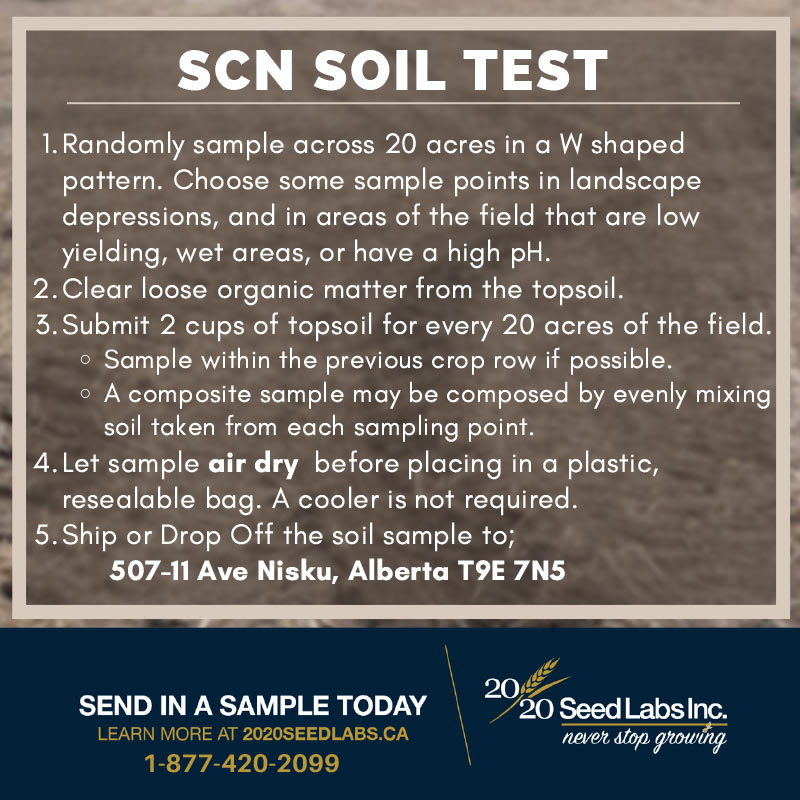
Consider investing in a Weed Check (WDC), a specialized soil analysis performed on 100g sample to detect and quantify weed seeds present in the soil. This test will provide you a comprehensive identification and count of all weed seeds found helping you to assess potential vegetation risks. https://2020seedlabs.ca/services/soil-testing/
Alternatively, you may submit weed tissue and weed seed samples for herbicide resistance testing to determine your best approach to weed management practices. https://2020seedlabs.ca/services/herbicide-resistance-testing/
If at any time you have questions, please contact us directly at support@2020seedlabs.ca or give a call to 1-877-420-2099.