
From the Desk of Sarah Foster, President, 20/20 Seed Labs Inc.
When I look at the global outlook for seed testing, I see tremendous potential. I also see a responsibility to keep asking a simple question:
Will these advances help people make better decisions about their seed?
Across production, breeding, certification, storage and trade, seed testing provides information that people act on. A result can influence whether a seed lot is planted, held, treated, marketed or moved across a border. Behind that result are investments, livelihoods and expectations for the season ahead.
That is why the conversation about the future of our industry needs to connect technology with the decisions it supports.
Automation, imaging, molecular methods, and artificial intelligence offer opportunities to improve laboratory workflows and interpretation. Used thoughtfully, these tools can help us manage complexity and deliver useful information more efficiently.
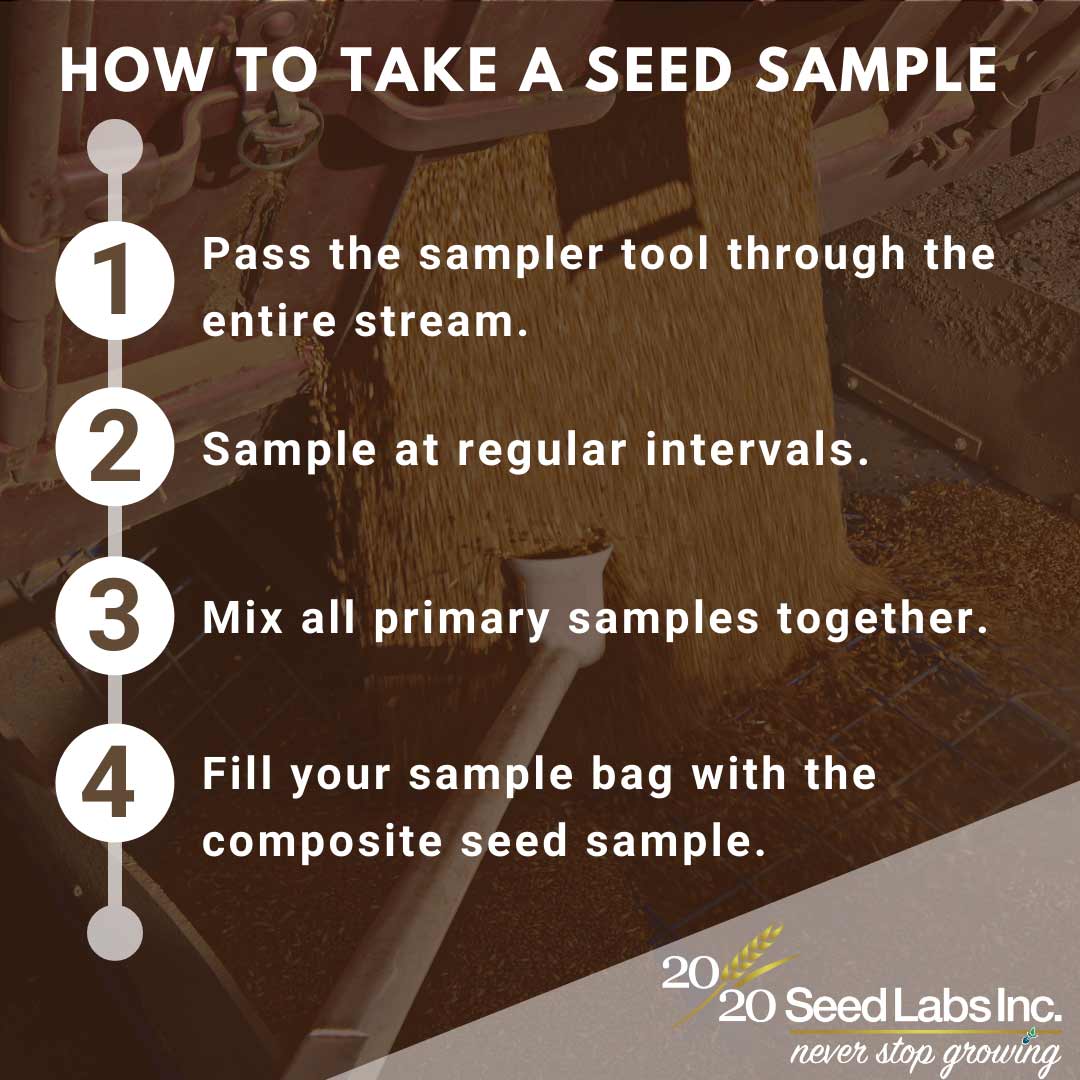
But confidence in a result still depends on representative sampling, validated methods, sound quality systems and qualified people.
AI deserves particular care. Before relying on an automated interpretation, we need to understand how it was developed, where it performs well and where its limitations lie. We need to know when a result requires closer examination.
The expertise of seed analysts and laboratory teams remains essential as these systems develop. Their judgment helps connect an observation to its meaning.
The global perspective also reminds us that progress will look different from one region to another. Some seed industries need greater testing capacity and stronger digital integration. Others need more accessible services, local expertise, or dependable testing across long distances. Crops, climates, infrastructure and regulatory requirements all shape what a useful solution looks like.
There is no single technology investment that answers every need. There is, however, a shared need for results people can trust and use.
Here in Canada, that means keeping seed performance firmly in the conversation. Germination is an important part of the picture. Vigour, seed health and storage conditions can add valuable context when assessing a lot and planning its use.
As growing conditions become less predictable, the questions clients bring to the laboratory deserve careful attention. What are they concerned about? What decision are they trying to make? Which testing will give them meaningful information?
For laboratory leaders, the challenge is to invest in technology while continuing to invest in people, training, and the quality systems that make innovation dependable.
Seed is the first link in the food chain. The information we provide about it carries real responsibility.
The future of seed testing will be shaped by how well we turn new capabilities into reliable answers—and how well those answers serve the people who depend on them.