
Insights from the Alberta Potato Conference & Tradeshow: A Look at Trends, Trust, and Potato Health
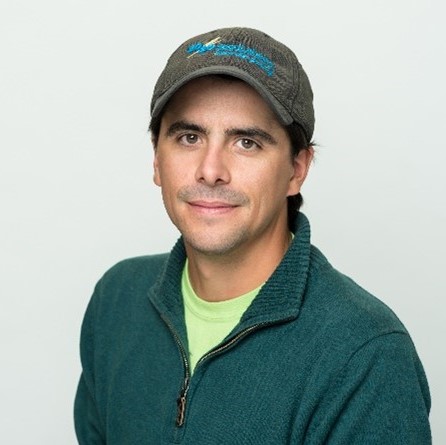
By Trevor Blois, Disease Diagnostics Supervisor 20/20 Seed Labs Inc.
Last week, I had the opportunity to attend the Alberta Potato Conference & Tradeshow—an event that brought together growers, researchers, and industry experts to discuss emerging issues, market trends, and practical tools for potato production across Alberta. The day was packed with strong perspectives, data-rich presentations, and reminders of how important transparency, diagnostics, and agronomic stewardship are to the future of our industry.
The keynote address was delivered by Claire Taylor of Agvocacy Consulting, whose global experience in agriculture shaped a powerful message: public trust in agriculture is built through honesty, not perfection.\
Claire shared an example of a farm in Africa that faced documented human rights concerns. Their path to rebuilding credibility was not through polished messaging—it was through full disclosure, open doors, and letting people see improvements firsthand. She encouraged growers to view increased scrutiny not as a threat, but as an opportunity to show the good work happening on farms every day. At the same time, she noted that over-explaining can dilute the message—clarity and authenticity go further.
Market Update: A Strong Outlook for Alberta Potatoes
After lunch, Victoria Stamper from United Potato Growers delivered a market update filled with acreage trends, yield comparisons, and regional production data.
A few notable takeaways:
- Despite PEI having the highest acreage, Alberta continues to outperform on yields, leading to greater production.
- Manitoba remains close behind Alberta in production.
- S. potato production was down year-over-year, though states like Idaho and Washington remain far larger than Canadian jurisdictions.
- Alberta ranked 9th in North America for 2025 estimated yields, reinforcing the province’s growing strength in potato production.
More detailed data will be available in the upcoming annual report.
Diagnostics Deep Dive: Early Die Complex, Verticillium & Black Dot
The afternoon sessions shifted toward plant pathology—an area that is becoming increasingly important for yield protection and long-term soil health.
Early Die Complex & Verticillium
Dr. Jeff Miller of Miller Research discussed the complexity of Early Die Complex, which involves Verticillium dahliae, Verticillium albo-atrum, plus several additional pathogens. He highlighted the role of nematodes in increasing plant susceptibility—an interaction that mirrors what we see in other crop systems.
Management strategies discussed included:
- Soil fumigation (primarily Vapam/metam sodium)
- Extended crop rotations
While fumigation appears to be the most effective tool in heavily affected regions, Jeff acknowledged significant limitations—including toxicity, safety risks, and practicality.
Black Dot: Seed-borne vs Soil-borne Risk
Next, Dr. Julie Pasche from NDSU expanded on Black Dot, connecting her work closely with Jeff Miller’s earlier insights. Key points included:
- Soil-borne inoculum is the primary driver of infection.
- Seed-borne inoculum still poses a risk when introducing disease into clean fields.
- Crop rotation remains one of the most important management tools.
- Diagnostic tools exist—qPCR for soil testing can be used to assess risk.
- Her recommendation: composite sampling using 20 soil cores per 2.5-acre grid.
The day wrapped up with a grower panel that offered practical, on-the-ground perspectives to balance the technical presentations. Hearing growers reinforce the need for better diagnostics, proactive sampling, and region-specific management underscored how essential it is to bridge lab insights with field realities.
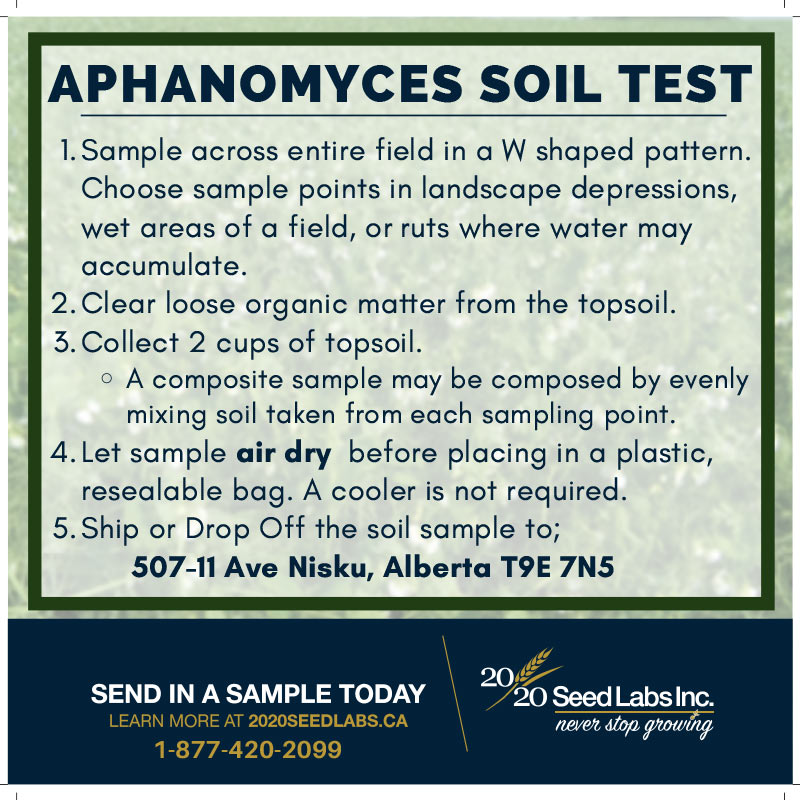
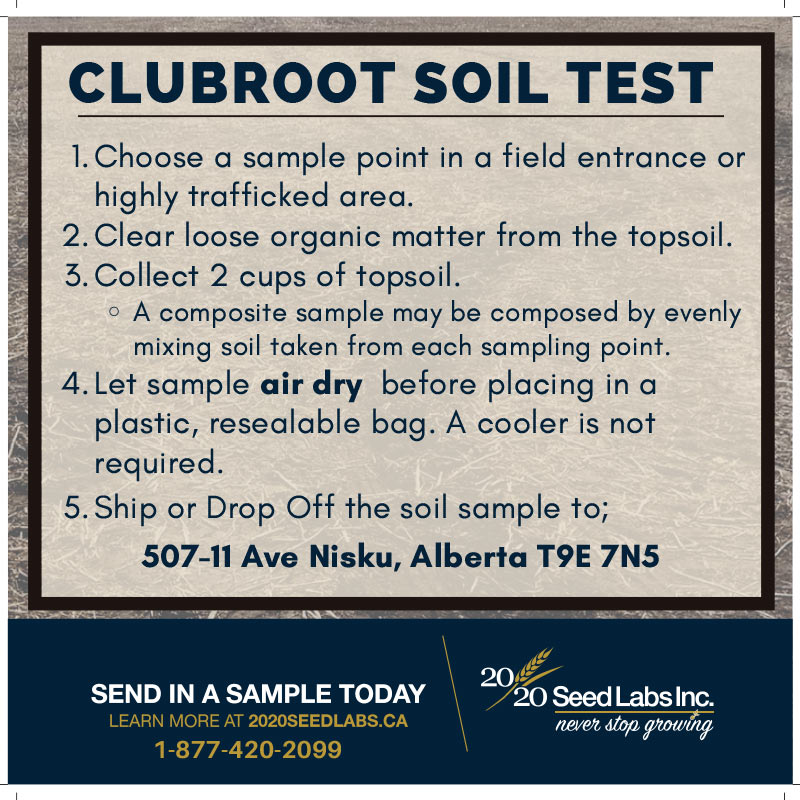
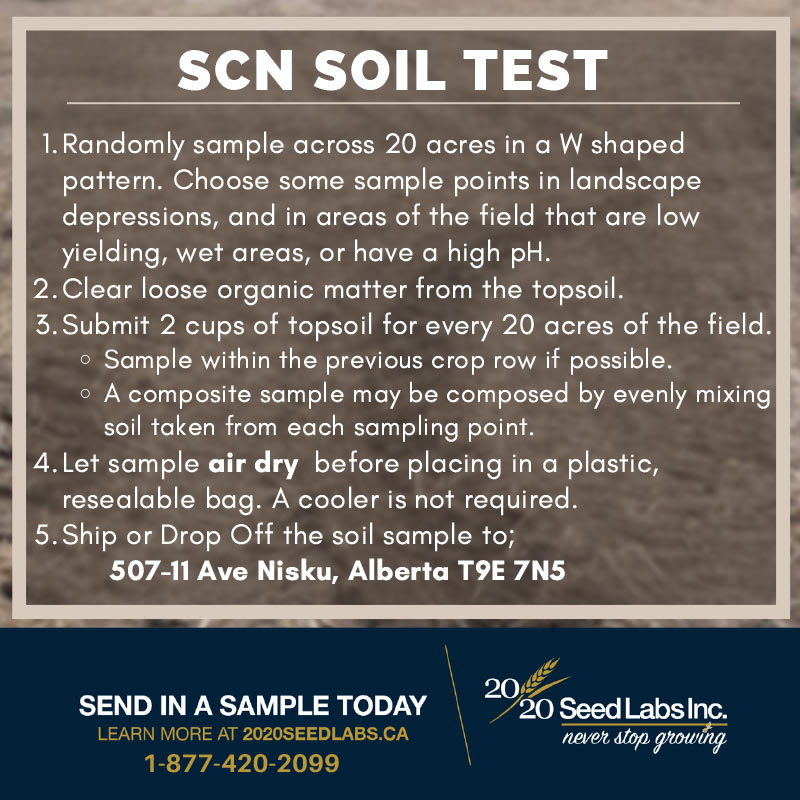
As conversations around disease pressure, soil health and seed-borne inoculum grow, so does the need for reliable diagnostics. At 20/20 Seed Labs, we’re committed to supporting Canada’s potato industry with accredited RT-PCR for Potato Viruses S, X, Y, A and PLRV, ELISA and IMF for Bacterial Ring Rot (BRR) or ELISA for Potato Viruses (S, X, Y, A, M, PotLV and PLRV). Our team is here to provide clarity and support growers testing needs season to season. Together with industry partners, researchers, and growers we’re proud to help strengthen the future of potato production across Canada.