Why Integrated Diagnostics Matter All Year Long
Written by the 20/20 Seed Labs Inc. team.
In farming, most decisions are made long before the planter enters the field, and long after the crop has emerged. Yet too often, diagnostics are treated as a one-time checkpoint rather than a continuous tool that informs decisions throughout the growing season.
Taking an integrated approach to seed, soil, and plant tissue testing helps close the gaps between planning, execution, and outcomes. This can help to shift diagnostics from a reactive step to a proactive framework and one that supports better decisions, earlier interventions, and more predictable results.
It’s not just about testing more for the sake of testing. It’s about asking the right questions at the right time, using the right tools, and understanding how each layer of information builds on the next. Diagnostics are the most powerful when they are connected.
Each diagnostic tool from seed testing to soil analysis, and plant tissue testing can provide valuable insight on its own. But their real strength lies in how they work together.
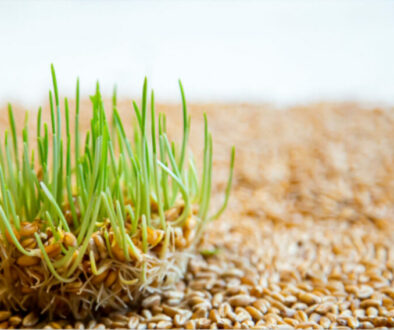
Seed testing helps answer foundational questions around viability, vigour, and health before risk is introduced into the field.
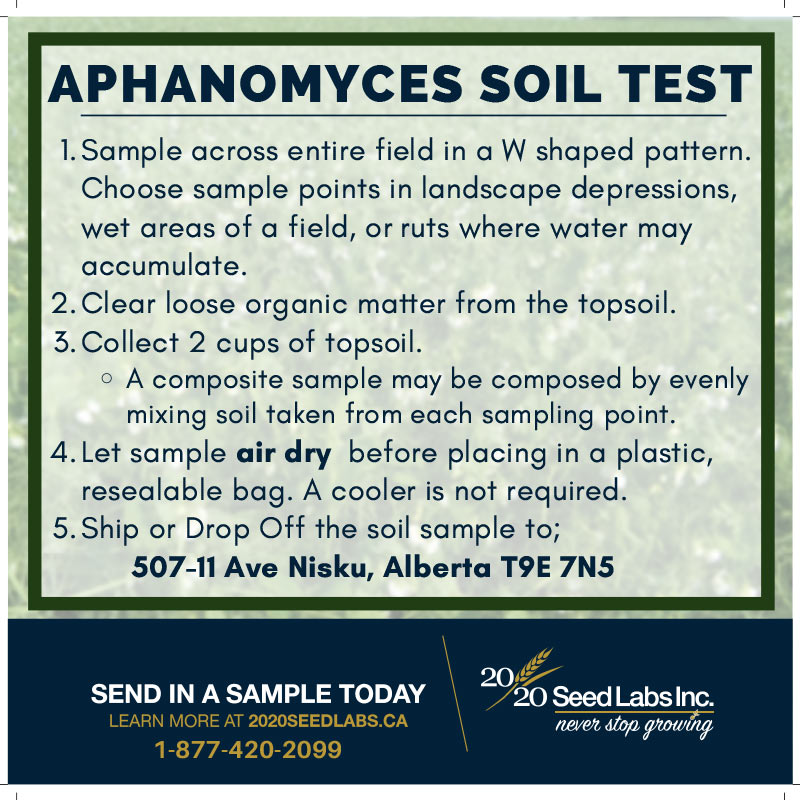
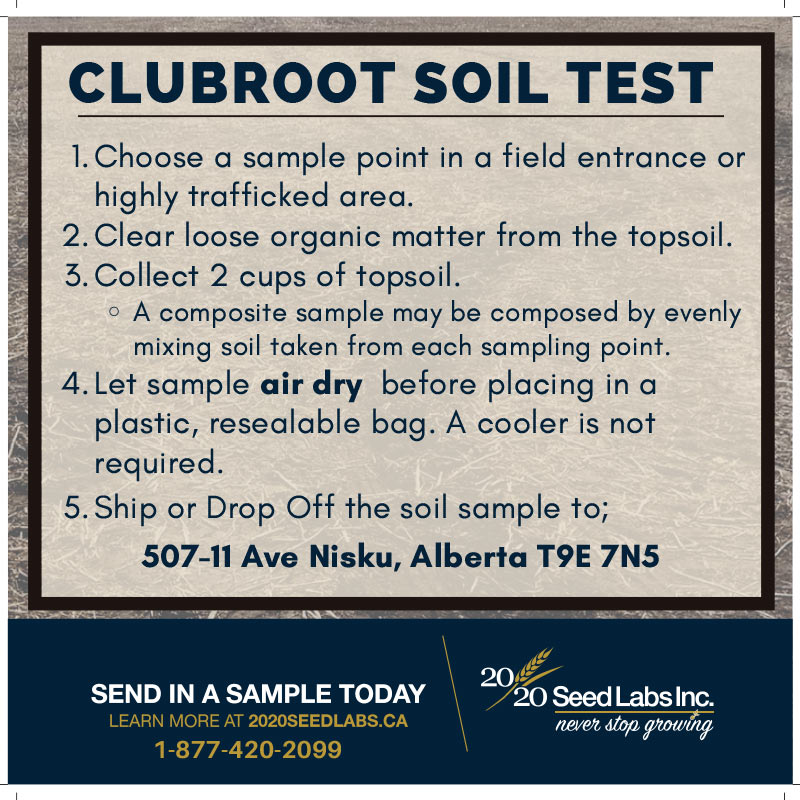
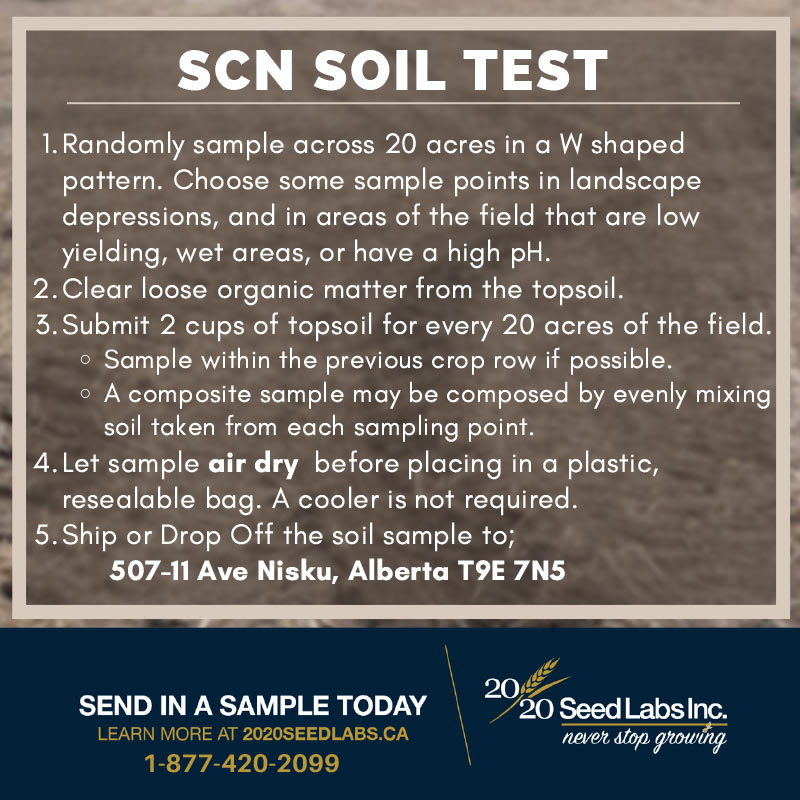
Soil testing provides more context for nutrient availability, pH, salinity, and seed-borne pathogens that influence emergence and early growth.
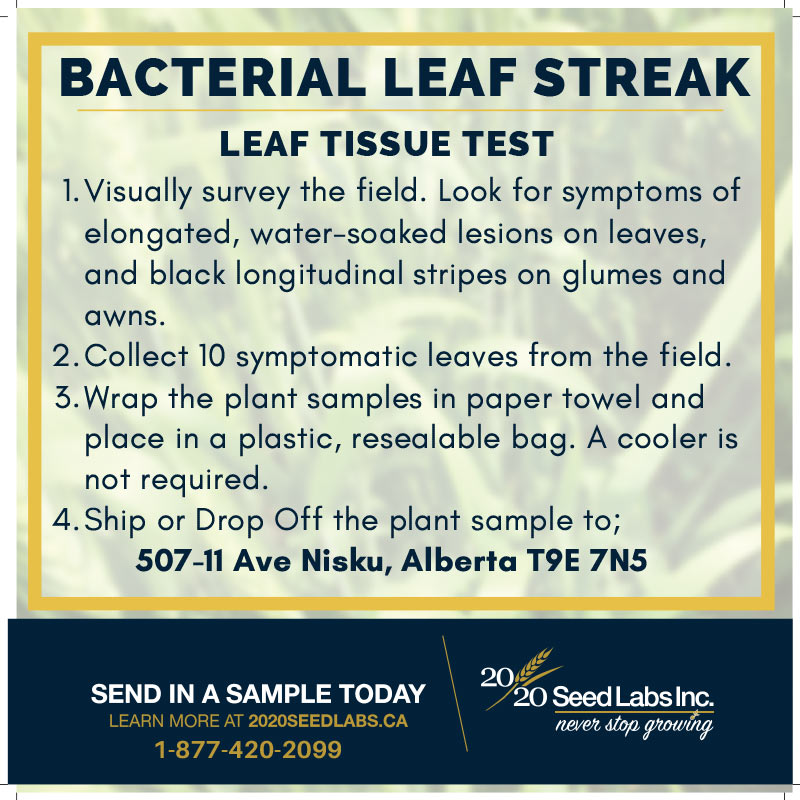
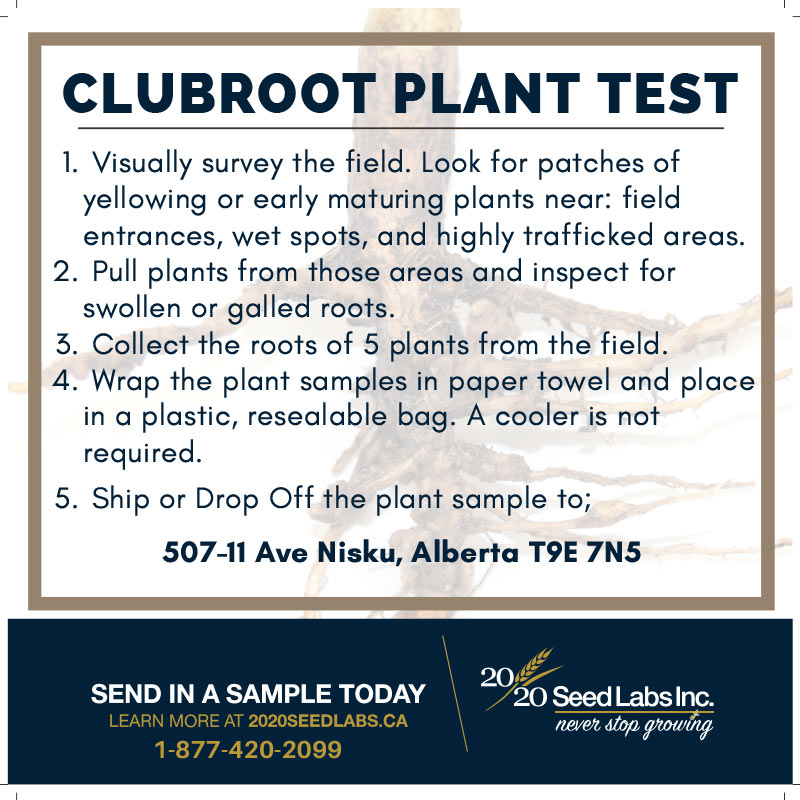
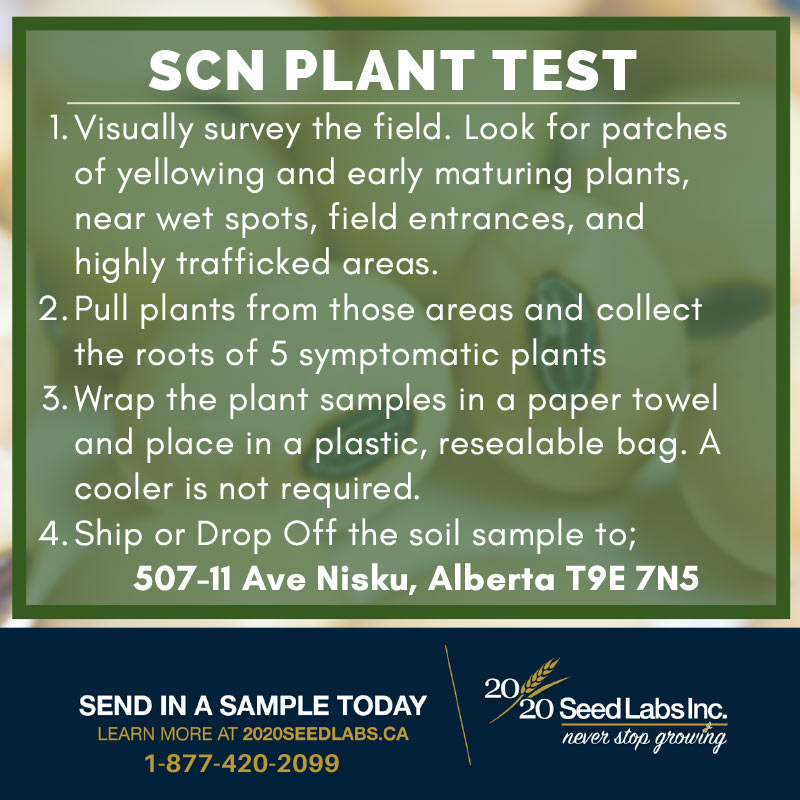
Plant tissue testing helps explain mid-season performance, in season disease affecting crop growth, nutrient uptake, and emerging stress that may not yet be visible.
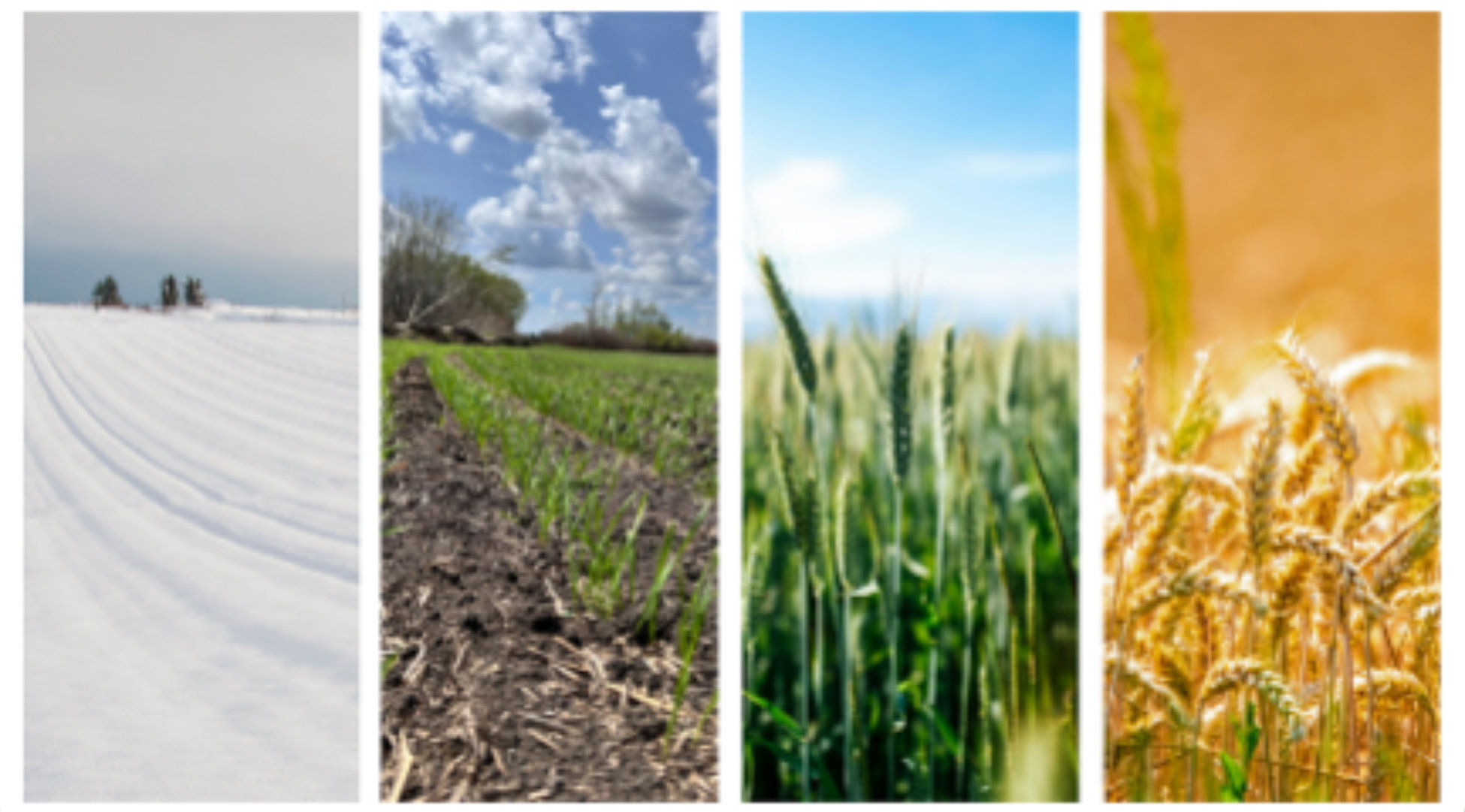
Timing matters, integrated diagnostics are most effective when aligned with seasonal decision points such as pre-plant, early season and in crop, as well as pre- and post-harvest. When considering pre-plant planning, germination, vigour, seed health, and thousand kernel weight results support informed decisions around seeding rates, seed treatments, and field placement. When it’s early season and in-crop, plant tissue testing helps validate early assumptions and identify developing stress where adjustments may still be possible.
End of season diagnostics help close the loop and strengthen planning for the following year. Following harvest and before winter storage, it is important to assess seed performance through pre‑storage testing, including germination, vigour, thousand kernel weight, and disease load. These results provide a baseline for post‑storage comparison and help determine seed suitability for planting, as well as whether seed treatment may be effective in mitigating risk associated with a given seed lot.
Farming rarely offers clear answers; diagnostics provide options, and earlier insight will create more choices allowing for better risk management. Reducing risk isn’t all about certainty; it’s about your options. Adopting a year-round mindset enables you to build a system that supports year-over-year planning, and continuous improvement where lessons learned are passed down from generation to generation. When diagnostics are viewed as connected tools rather than isolated events, they become a key part of a production strategy helping you to maximize all investments made into labour, machines, acreage and more.
At 20/20 Seed Labs Inc., we believe good decisions start with understanding what your seed is telling you. Through science-based testing, practical insight, and ongoing conversations with our clients, we aim to turn data into knowledge that is useful, relevant, and actionable. If you would like to explore what your results mean for your operation, we’re always happy to continue the discussion.
Book a consultation today: https://2020seedlabs.ca/contact-us/