Why Weed Tissue Molecular Testing Is Changing In-Season Decisions
An article by Moses Palmer, Business Development Manager 20/20 Seed Labs Inc.
There’s a moment every grower has experienced.
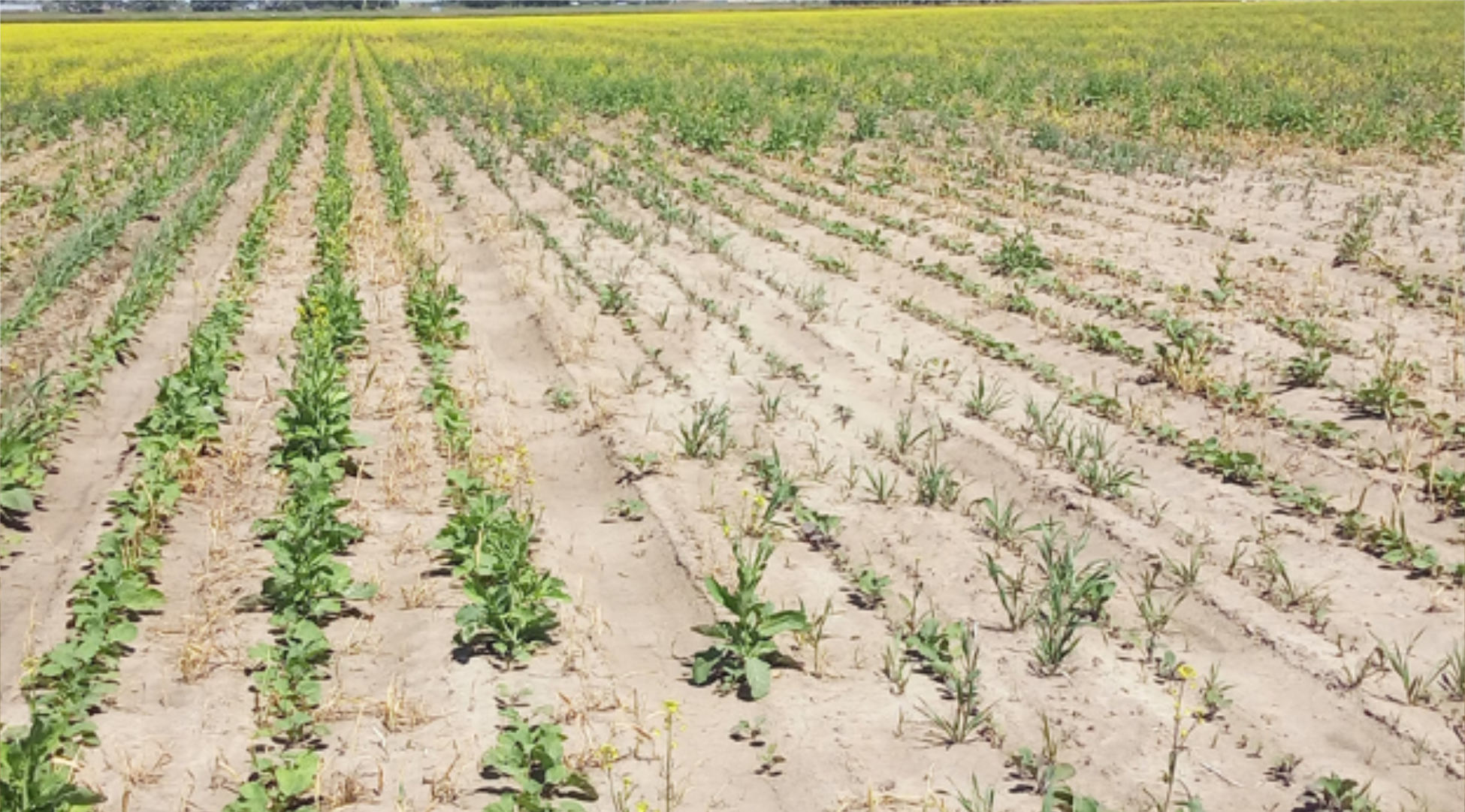
You make the pass. The conditions are right. The product is one you’ve trusted before. But two weeks later, something doesn’t look right. The weeds are still there, maybe stunted, maybe uneven, but alive.
By the time you start asking questions, the window to respond is already narrowing.
Herbicide resistance rarely shows up in a clean, obvious way. More often, it creeps in as inconsistency. A patch that doesn’t behave like the rest of the field. A product that doesn’t quite perform the way it used to. It leaves just enough uncertainty to second guess what you’re seeing, and historically, confirming resistance has taken longer than the growing season allows.
For years, resistance testing has been something growers did after the fact. Seed was collected, sent away, and grown under controlled conditions. The results were useful, but they arrived long after decisions had been made and opportunities had passed. It turned resistance into something you understood later, rather than something you could act on in the moment, and that is now starting to shift.
Looking at resistance through the lens of the plant itself, while it is still actively growing, changes the role testing can play. By analyzing fresh weed tissue early in the season, it is now possible to identify resistance at the genetic level while there is still time to respond. What was once a post-season confirmation tool is becoming part of in-season decision making.
That shift matters because resistance across Western Canada is no longer simple. It is layered, evolving, and in many cases, stacked within the same population. Wild oat is no longer just a Group 1 issue or a Group 2 issue, but often both. Kochia continues to adapt with multiple resistance mechanisms, including glyphosate resistance driven by gene amplification. Waterhemp is expanding its footprint and bringing increasingly complex resistance profiles with it.
What used to be a straightforward herbicide choice is now a biological question. Without clear answers, even well-planned programs can fall short.
The advantage is timing. Instead of waiting for a visible failure to confirm a problem, growers can now sample weeds at emergence, when they are small and actively growing, and understand what resistance traits are present before making their next move. That insight can shape decisions as they are happening, whether that means adjusting chemistry, rethinking a tank mix, or avoiding a mode of action that is no longer effective.
Uncertainty in these moments carries a cost. It often leads to more conservative decisions, additional passes, and layering products in ways that may not add value. In some cases, it results in repeated use of herbicides that are quietly losing effectiveness, accelerating resistance rather than managing it.
Having clear, genetic confirmation does not remove the complexity of weed management, but it does remove much of the guesswork. When you know what you are dealing with, decisions become more deliberate. Programs have become more efficient. The risk of compounding resistance starts to come down.
What is becoming increasingly clear is that the value of this kind of testing extends beyond a single pass or even a single season. Each result adds a broader understanding of what is happening across fields and regions. Over time, that information starts to influence rotation planning, herbicide group selection, and integrated weed management strategies in a more meaningful way.
It becomes less about reacting to resistance once it is visible, and more about anticipating it before it becomes a problem.
Herbicide resistance is not slowing down. If anything, it is becoming more complex and more difficult to predict. But the tools available to manage it are evolving alongside it.
Being able to see resistance early, while there is still time to act, changes the conversation. It allows growers and agronomists to move from questioning what went wrong to confidently deciding what to do next.
And in a season where timing drives everything, that shift may be one of the most important advantages a grower can have.
If you are concerned about invaders such as Kochia, Wild Oat, Waterhemp, Green Foxtail, Foxtail Barley, False Cleavers, or Downy Brome consider investing in a Weed Tissue Herbicide Resistance Molecular Test to confirm which herbicide Group the weed has become resistant to.
Contact our lab directly at support@2020seedlabs.ca with Weed Tissue in your subject line to receive more information, sample submission form and request a sample submission kit today. You may also call 1-877-420-2099 for assistance.